Mechanistic Interpretability for End-to-End Self-Driving
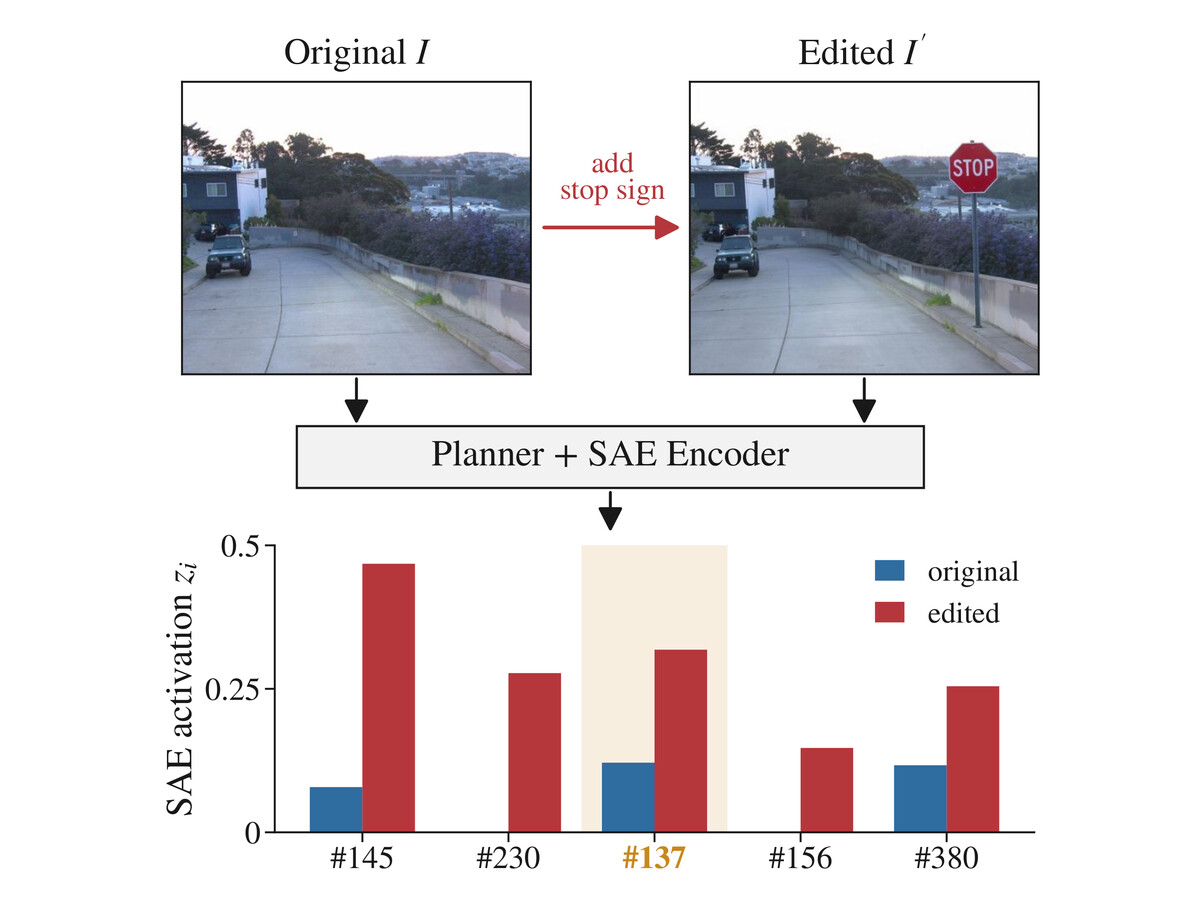
Trained sparse autoencoders on an end-to-end driving planner to uncover features for route intent, speed, and braking, then steered those features to predictably change the planned trajectory.
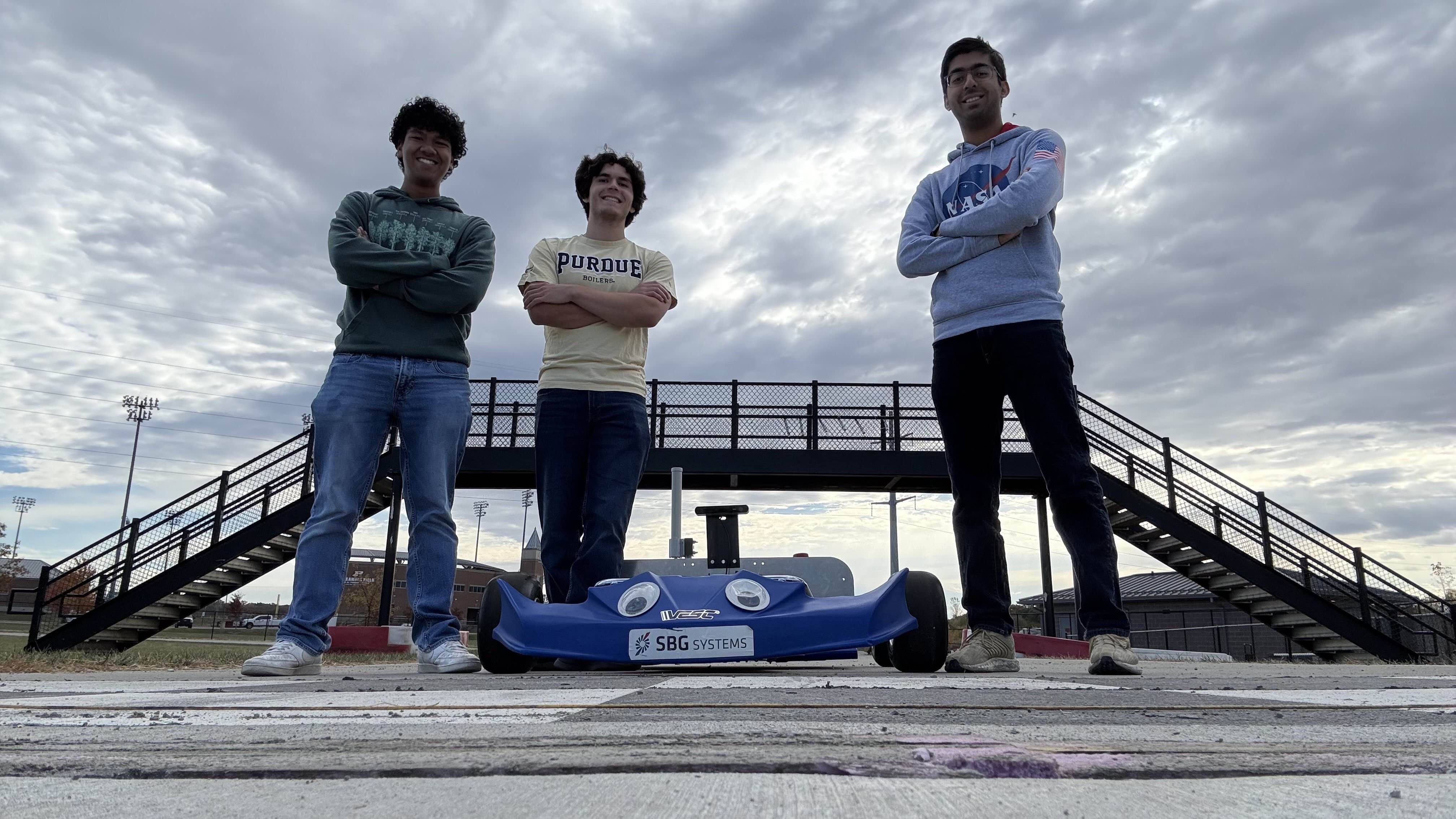
Building an autonomous go-kart with Autonomous Motorsports Purdue. Created a vision stack which beat the previous autonomous laptime record.
Built an iOS app that allows people to have conversations with ads, using Sync.so's animation API and LLMs at BoilerMake, winning Sync.so's prize.
Hacked an RC car with a Raspberry Pi, camera, and LiDAR. Used imitation learning with CNNs to teach it to navigate around my house.
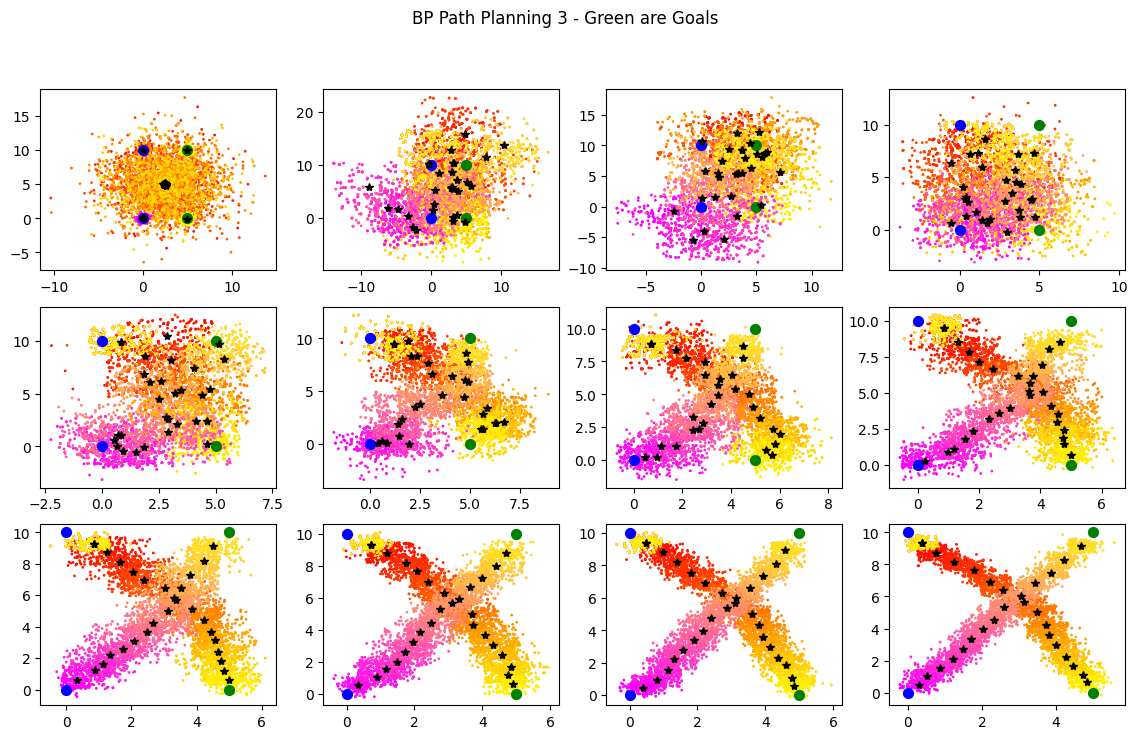
Developed a novel algorithm for probabilistic multi-agent path planning, which I presented at the 2024 American Control Conference.
Developed a method to improve the interpretability of autonomous driving systems, which I presented at the 2025 Purdue ICON student conference.
Supported hot-fire validation of a new closed-loop engine controller for Starship landing. Rebuilt Raptor turbopump safety-limit tooling deployed on Starship Flight 13, and built surrogate engine models that cut error by 60%.
Led design for an agentic LLM assistant for wargaming and analysis ($1.5M SBIR). Also ported astrodynamics and satellite control code from Python to Rust, achieving a 55x speedup.
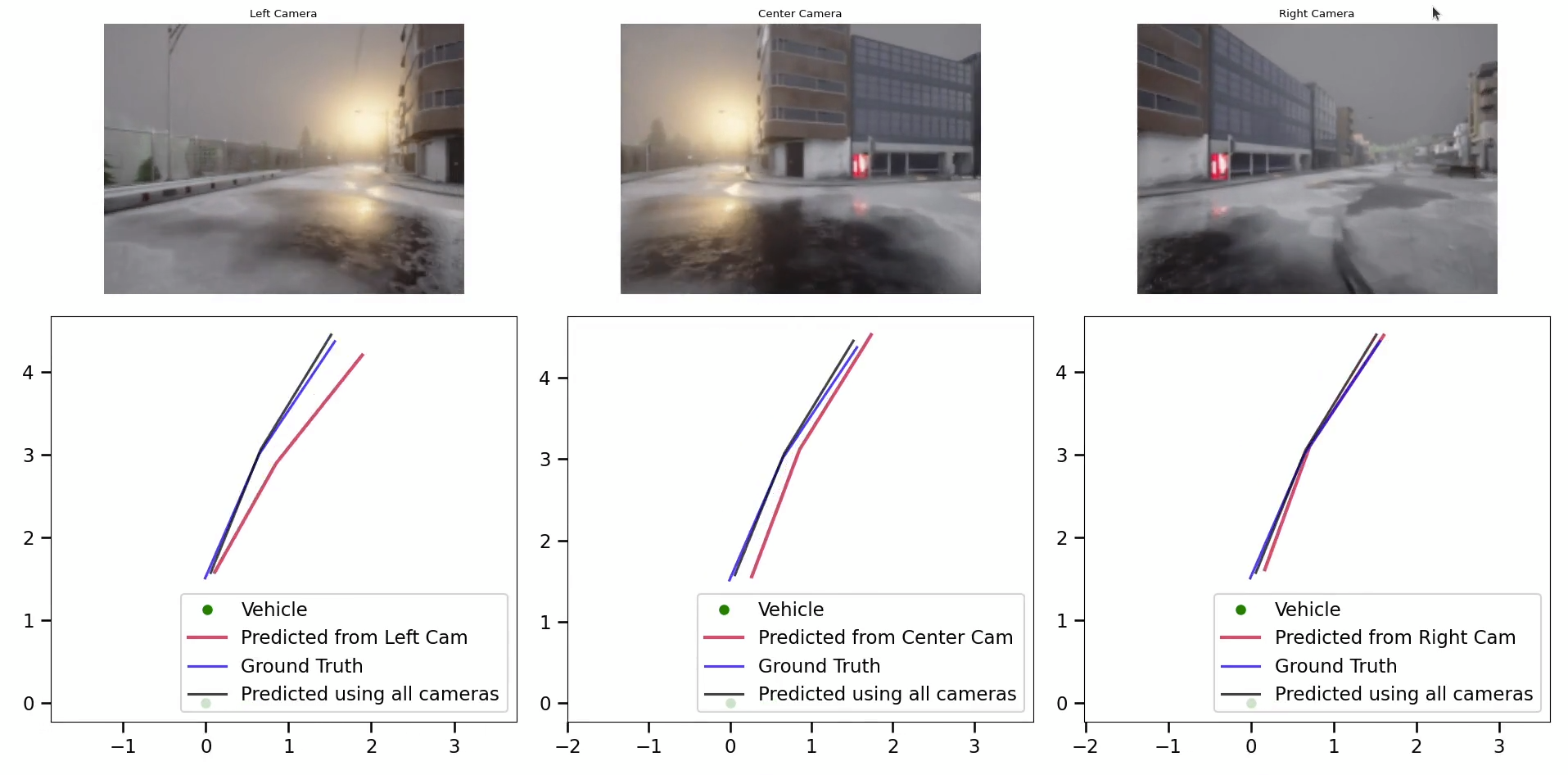
Fine-tuned a diffusion vision-language-action model for end-to-end driving, achieving state-of-the-art path planning on nuScenes (published at IROS 2026). Previously presented my work on interpretable end-to-end models at the Purdue ICON student conference.
Researched probabilistic methods for collaborative control of robot swarms. Co-authored and presented "Line-of-Sight Visual Target Tracking via Particle-Based Belief Propagation" at the 2024 American Control Conference.
Designed and prototyped laser-cut and 3D-printed parts to alleviate a shortage of camera mounts, enabling $400,000 of inventory to be sold, and redesigned existing parts, reducing manufacturing costs by 80%.